Acme by Casago

Tucson · Market pulse

Tucson Vacation Rental Market Pulse.

Use this local pulse to understand the seasonal rhythm, guest story and market questions that can shape a property plan. Bring the details of your home into the next conversation.

Existing owner? Access your Owner Portal

The short answerTucson demand runs on a cool-season calendar with dated spikes on top. Visit Tucson records more than 350 days of sunshine, January and December highs around 65 to 69°F, and July and August highs around 98 to 101°F, so the comfortable months carry the outdoor, campus and food trips. The gem shows, the University of Arizona calendar and cycling events add fixed dates. Then the National Weather Service's June 15 to September 30 monsoon reorganizes the whole operating year around heat, storms and outages.

Demand drivers

Four reasons people book a home here.

Saguaro country

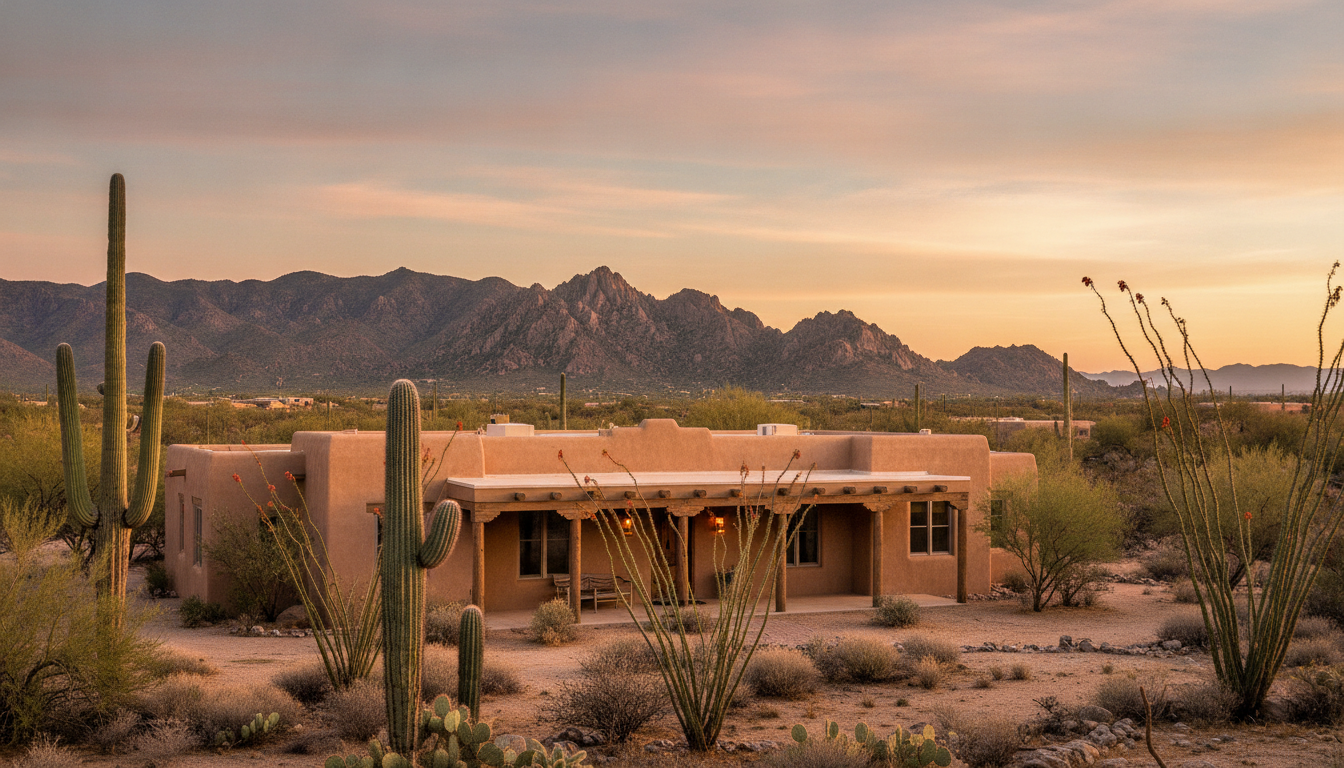
The Park Service describes Saguaro National Park in two districts either side of the city, the Tucson Mountain District west and the Rincon Mountain District east, roughly 30 miles and 45 to 60 minutes apart. Which side your home sits on changes the itinerary you can honestly sell.
The gem shows

Visit Tucson calls the Tucson Gem Shows the largest event of their kind in the world, with a 70-plus-year history and events now running through the year rather than one week. Guests travel in tight windows and care about parking, loading and a secure place for stock.

The university

Visit Tucson describes the University of Arizona as 380 acres in midtown, Arizona's first university, with nine family-friendly museums, athletics and Main Gate Square at the campus's west entrance. Campus visits are dated, repeat and sensitive to parking and quiet hours.

Food and cycling

UNESCO named Tucson the first Creative City of Gastronomy in the United States in 2015, per Visit Tucson, which also describes hundreds of miles of bike-friendly roads and trails and lists El Tour de Tucson on November 21, 2026 starting and finishing at the Tucson Convention Center.

The operating year

Who is coming, and what the home has to do about it.

Planning context, not a forecast. Each season pairs the likely guest with the operating task that matters most.

  1. Winter

    Guest: longer-stay visitors, park and trail days, campus and food trips in Visit Tucson's 65 to 69°F daytime range.
    Task: warm mornings as well as mild afternoons, current event notes, honest drive times to each Saguaro district, and your own dates protected on the calendar.

  2. Late winter and spring

    Guest: gem-show travelers, then spring visitors as Visit Tucson's range climbs from 74°F toward 90°F.
    Task: rewrite parking, loading, security and quiet-conduct instructions for the show window, set minimum stays deliberately, and service cooling before it is needed.

  3. Summer

    Guest: value-minded and regional stays in Visit Tucson's 98 to 101°F months.
    Task: cooling reliability first. NWS Tucson names extreme heat the deadliest weather hazard in the region. Shade, hydration guidance, pool readiness and an after-hours contact carry the stay.

  4. Monsoon and the autumn reset

    Guest: cyclists and outdoor travelers returning as heat eases toward Visit Tucson's 86 to 74°F autumn range.
    Task: through the June 15 to September 30 monsoon, secure outdoor furniture, clear drainage and publish an outage plan. Then reset the factsheet and the event calendar.

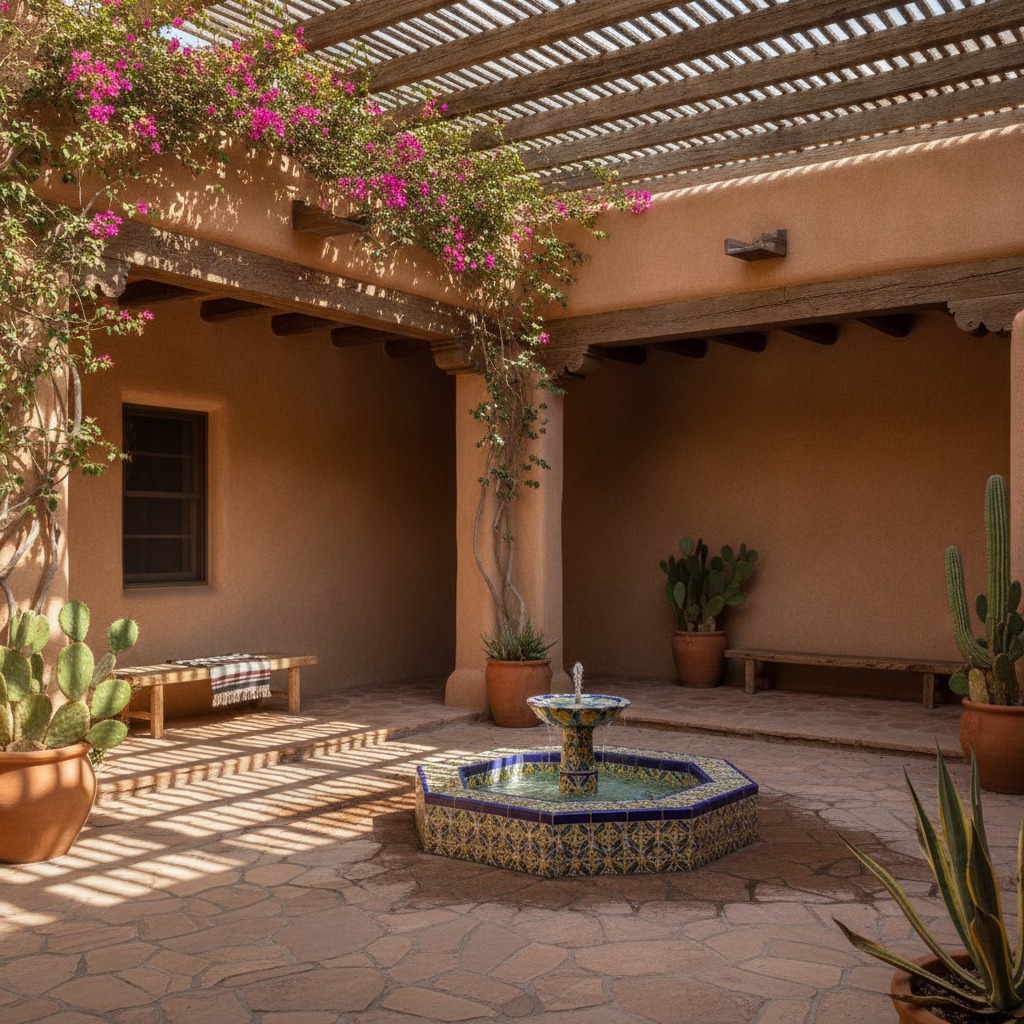
Shaded Southwestern courtyard with a tiled fountain and potted desert plants, illustrative
Illustrative. Not a specific Casago-managed home.

Booking-window questions

The questions to ask before you set a rule.

Lead time, minimum stays and event weeks are decisions, not defaults. These are the questions we work through for one home at a time.

  • How far ahead do guests for this home's anchor plan, and does a gem-show visitor behave like a park visitor?
  • Which dated weeks — show windows, campus dates, El Tour de Tucson — overlap the guest this home can actually serve?
  • Should minimum stays change for those weeks, and by how much?
  • When should a gap night be held for a longer winter stay rather than filled?
  • Which owner dates are fixed, and how do cleaning buffers sit around them in July?

Stay mix

Short stays and 30-plus-night stays are different businesses.

Under 30 nights

The licensed short-term rental.

The Arizona Department of Revenue states that income from renting a residence for fewer than 30 days is subject to transaction privilege tax, and that a city business license is a separate thing from a TPT license. Whether a local license also applies depends entirely on the parcel: Oro Valley and Marana each run their own, the City of Tucson publishes a general business-license requirement, and an unincorporated Pima County parcel follows a different path again.

See the regulation watch

30 nights and longer

The seasonal or mid-term stay.

ADOR describes stays of 30 or more days as residential rental rather than short-term lodging, with different treatment. Tucson's cool season and its campus and medical visitors make longer stays a real question here. Whether a home should take them depends on layout, workspace, connectivity and, above all, whether the governing documents allow it. Confirm with ADOR, the local authority and your HOA before changing the rule.

Read the stay-mix guide
What this page does not tell you. No occupancy, average rate, RevPAR or revenue figures appear here, and none are implied. Those depend on the address, the layout, the rules that bind the home and the year in question. They belong in the Owner Portal, where a property-specific conversation can happen under its own permissions.

Neighborhood pulse

Three submarkets with a real distinction.

Each has a different guest intent, access story or governing authority that an official or destination source supports. Everywhere else in Tucson, the story is property-led.

Sources

Tucson market questions

When is the busy season for a Tucson vacation rental?

Official sources point to the cool months. Visit Tucson records January and December daytime highs around 65 to 69°F against 98 to 101°F in July and August, and the gem shows and the university calendar add dated weeks on top of that curve. How the pattern lands on one home depends on the address, the layout and the rules that bind it.

Does this page give occupancy or rate figures for Tucson?

No. It describes what shapes demand and what the home has to do about it. Property-specific numbers are discussed in the Owner Portal, where prospective owners choose I’m considering the program.

How does the monsoon change the operating plan?

NWS Tucson defines June 15 through September 30 as the monsoon and names lightning, high winds, dust storms, wildfires, tornadoes and flash flooding among its hazards, with extreme heat the deadliest of all. Secure outdoor furniture, clear drainage, confirm cooling and write the guest storm and outage message before mid-June.

Should I allow stays of 30 nights or more?

Only after checking three things: how the Arizona Department of Revenue treats stays of 30 or more days, whether the authority that governs your parcel treats them differently, and what your HOA or deed restrictions allow. The home’s layout, workspace and connectivity then decide whether the stay would go well.

Next step

See what your Tucson home could do.

Continue to the Owner Portal for a property-specific conversation. Prospective owners choose I'm considering the program. Existing owners sign in as an owner. Nothing about your home is sent from this page.

Casago Tucson, a DBA of Acme Tucson AZ LLC · Robert R. Brush, Designated Broker · ADRE Broker License #BR648549000; Entity Lic #LC721279000.